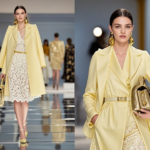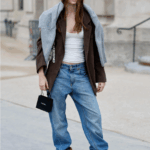




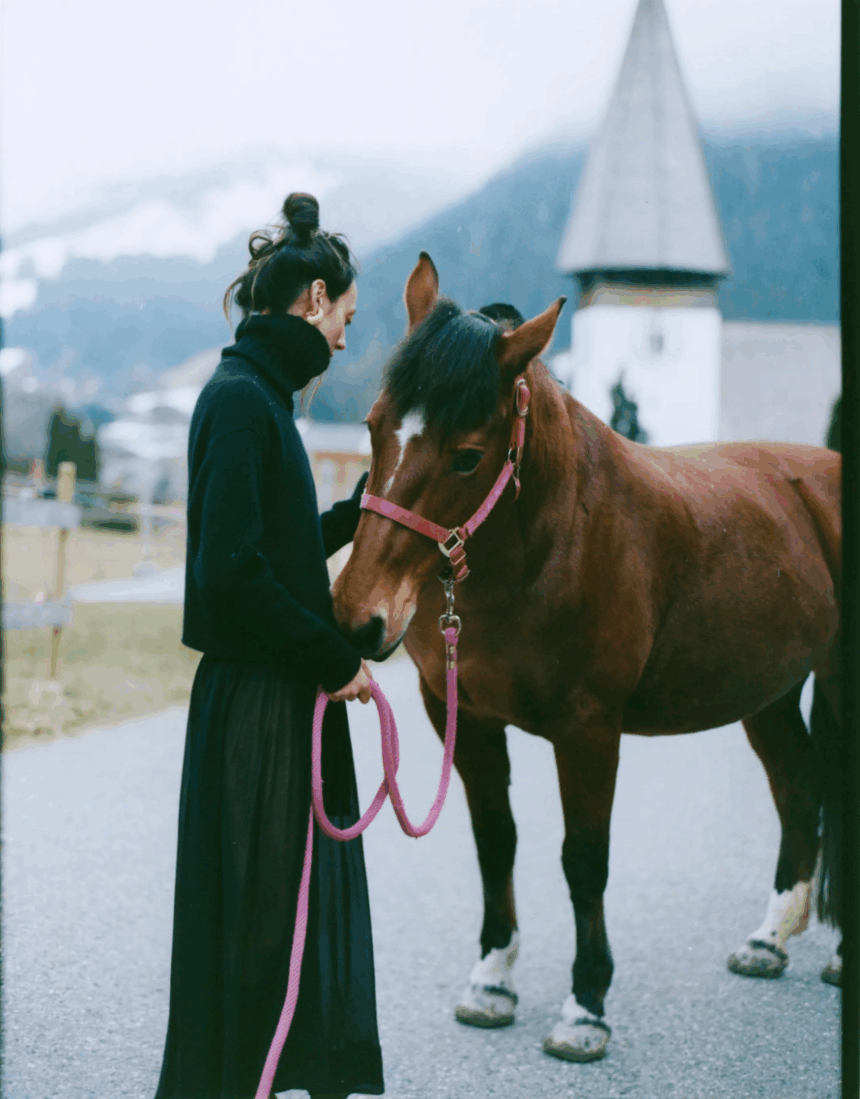
Winter is never a fashion break, it just presents a tougher challenge: temperatures drop, but layering is essential for creating a sophisticated look that wards off the cold without being overwhelmed by bulk.
If you think of your wardrobe as a book, winter clothing is the thickest chapter, deserving careful attention to its structure and transitions.
1. Establish Your “Winter Main Elements”
To look good in winter, start by choosing the right main elements, then consider the supporting cast and background; a solid main element ensures a successful everyday look.
- A good coat: A long down jacket, wool coat, or fleece teddy coat—own at least one of these for warmth and presence.
- Core knitwear: Turtleneck sweaters, wool dresses, and thick cardigans form the foundation for creating elegance and layering.
- Practical bottoms: High-waisted straight-leg trousers, tailored long pants, and a pair of jeans you’d wear repeatedly. – Functional Footwear: Tall boots, platform boots, and sleek loafers each have their own occasions and determine the overall style direction.
Once these basic elements are in place, other items are like narration; just a few words are needed to complete the picture.
2. Starting with “Feeling Temperature” rather than “Weather Numbers”
The key to winter isn’t just the temperature, but your body’s true memory of the temperature: how windy it is, how long you’ll be outdoors, commuting or driving.
- Large Indoor/Outdoor Temperature Difference: Follow the “onion layering” principle: a close-fitting moisture-wicking layer + a warm layer + a windproof layer, allowing for easy layering when moving indoors.
- Seated Office Work: Outerwear can be more stylish, but inner layers shouldn’t be too thick to avoid feeling trapped in a heated room all day.
- Commuting by Walking: Shoes and outerwear are key; they must be windproof, water-resistant, and comfortable to walk in. Other details can be slightly less critical.
Understanding how you feel allows you to focus on style; let your body vote first, then let the mirror help you adjust. ***
3. Seven Common Winter Outfit Ideas
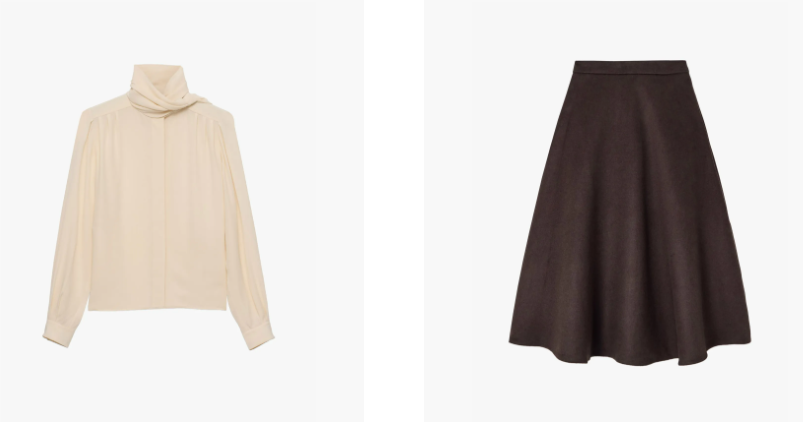
Breaking down winter into everyday scenarios is more efficient than constantly staring at your wardrobe thinking, “What should I wear today?”
Below are some readily applicable outfit formulas; you can adjust the materials and colors to suit your own wardrobe.
1. Art Gallery Afternoon: Elegant Layers + Quiet Colors
- Top: High-neck knit or fitted top, layered with a structured long coat or wool coat for clean, elongated lines.
- Bottom: Knee-length or midi skirt + sock boots, revealing a bit of leg to maintain a light feel in the heavy season.
The color scheme should primarily consist of cool grays, beiges, and dark blues, like framing yourself as a work of art in a gallery—quiet yet layered.
2. Weekend Visit to Relatives or Back Home: Comfortable, But Not Sloppy
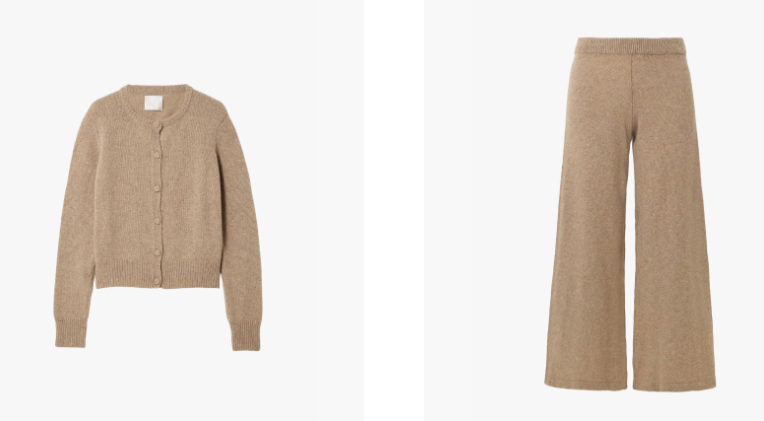
- Top: Soft knitwear or loose sweater, layered with a long cardigan or lightweight down jacket for easy movement between the living room and balcony.
- Lower body: Knitted trousers or loose-fitting trousers, more stylish than pajamas, yet still allowing for easy movement and relaxation.
Be bolder with colors than usual, using striped socks, a colorful scarf, or patterned loafers to add a touch of humor to “comfort.”
3. Winter Birthday or Dinner Date: Let Your Outerwear Take Center Stage
- Outer Layer: Choose a long, structured coat, a tailored jacket, or a glossy piece to make your first few steps inside the house a highlight.
- Inner Layer: A simple dress, a silk blouse, and slim-fitting trousers—the delicate fabrics and clean lines allow accessories to add a touch of glamour.
Make good use of earrings, clutches, and heels to focus the festive atmosphere on details, rather than piling on too many decorations.
4. Formal Evenings and Black Bow Tie Occasions: Streamlined Cuts + Understated Elegance
- Clothing: Choose long dresses or jumpsuits with a flowing or asymmetrical design, using the flowing lines of the fabric instead of ostentatious embellishments.
- Accessories: Feather, metallic, or sculptural jewelry—less is more—to create a cohesive look rather than a collection of individual pieces.
Colors don’t have to be limited to black; deep green, burgundy, and midnight blue also tell a story under lighting.
5. Holiday Markets and Christmas Lights: Functional and Romantic
- Top: Warm turtleneck sweater or sweatshirt, layered under a windproof and water-repellent jacket to handle sudden light rain or cold winds.
- Bottom: High-waisted jeans or thermal leggings with boots for comfortable walking.
Use accessories like beanies, scarves, and knitted gloves to create a “wintery” atmosphere, making for more photogenic photos. ***
6. City Gatherings and After-Work Drinks: A Perfect Outfit from Office to Bar
- At Work: A tailored blazer, layered over a turtleneck or shirt, paired with well-tailored trousers and dress shoes or loafers.
- After Work: Simply switch to more statement earrings, lipstick, and a clutch, or swap the inner layer for a fitted knit to transition into evening mode.
Choose a stylish coat to create a chic silhouette as you walk down the street.
7. Weekday Commute: A Balance of Formalism and Warmth
- Outer Layer: A long trench coat, wool coat, or understated faux fur coat, worn over a suit jacket for a polished look.
- Inner Layer: A lightweight turtleneck or knit vest as a warm layer, topped with a shirt and blazer. Indoors, these layers can be removed to adjust comfort.

Shoes can be versatile for commuting and the office: wear warm boots on the way, then change into loafers or heels at the office.
4. Key Items and Styling Tips
Instead of blindly following trends, figure out which winter items are worth repeating year after year.
- Long down jacket: Choose a clean cut that isn’t overly sporty, easy to pair with shirts and sweaters, and can also balance out the proportions of skirts.
- Teddy fleece coat: Use it to pair with everyday jeans and sweaters, adding a touch of tactile memory to an “ordinary day.”
- Wool jumpsuit: One piece solves the “top + bottom” dilemma; simply layer with warm leggings or long boots.
- Iconic turtleneck sweater: Black, dark gray, or cream; the turtleneck itself frames the face in winter.
- Faux fur and eco-friendly materials: Beyond warmth, it demonstrates basic respect for the environment, allowing style and values to go hand in hand.
When putting together an outfit, remember this simple principle: only one thing should be the focal point – whether it’s your coat, shoes, bag, or color. Avoid having every detail trying to steal the spotlight.
5. Let Color and Material Speak for Themselves
Winter doesn’t always have to be black, gray, or navy blue; when used well, color and material can be like lighting up a cold night.
- Colors: Burgundy, dark green, caramel brown, and cream white are softer yet still deep choices than black.
- Materials: Wool, cashmere, leather, suede, knitwear, and silk – wearing them in contrasting ways is like different instruments harmonizing in a piece of music.
If you’re not comfortable with contrasting colors, start with small areas: a colorful scarf, eye-catching socks, or a glossy bag.
6. Create Your Own “Winter Uniform”
Truly practical winter outfits aren’t about reinventing yourself every day, but about gradually developing your own “winter uniform”: one that you instantly recognize as your style.
- Find those few coats and shoes that you instantly feel comfortable wearing, and build all other items around them.
- Accept that you’ll wear the same outfits repeatedly, only making minor adjustments with scarves, bags, and color schemes—this is the hallmark of a mature wardrobe.
- Add only a few items each winter to fill in the gaps in your wardrobe, rather than being swayed by fleeting trends.
When you’re no longer chasing after “what to wear” every day, winter suddenly feels much lighter, and your wardrobe begins to speak for itself: This person knows how to preserve beauty even in the cold.