





Exercise isn’t a grueling ordeal, but a daily dialogue with your body. The World Health Organization’s guidelines are like a simple map: 150 minutes of moderate-intensity activity per week can invigorate your cardiovascular system, strengthen your bones and muscles, and make life feel lighter through activity. This isn’t an unattainable number, but a break-down rhythm, from walking to squats, integrated into the gaps of your daily life.
I. The Golden Standard: 150 Minutes of Moderate Intensity + Two Days of Strength Training
Adults should have a clear weekly goal: 150-300 minutes of moderate-intensity aerobic exercise (such as brisk walking, enough to talk but not sing), or 75-150 minutes of high-intensity exercise (such as running or swimming), plus two days of strength training. Less is better, more is even better, but starting is a victory.
- Moderate-intensity aerobic exercise: Brisk walking, cycling, dancing, 30 minutes daily x 5 days is sufficient.
- High-intensity alternative: Equivalent to two moderate-intensity sessions per minute, suitable for those with limited time. – Muscle Strengthening: Squats, push-ups, dumbbells, two days a week, covering major muscle groups.
These numbers are as natural as breathing; accumulated, they form the foundation of health.
II. Decoding the Benefits: More Than Just Weight Loss, It’s Comprehensive Protection
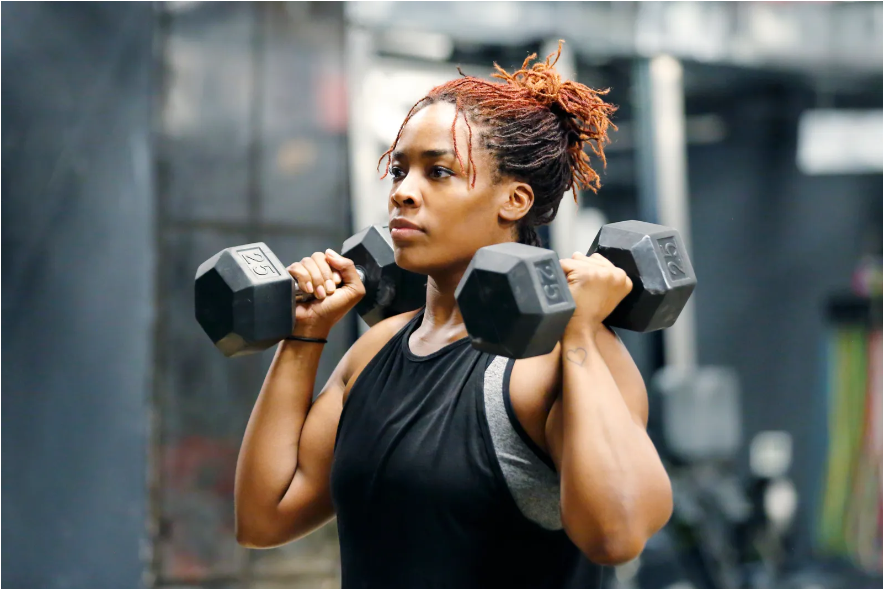
Starting with 150 minutes, it can reduce cardiovascular risk by 20-30%, prevent diabetes, relieve stress, and even slow cognitive decline. Muscle strength training builds bones and prevents sagging, ensuring the body retains strength even in middle age.
- Cardiopulmonary Upgrade: Stable blood pressure, increased lung capacity, and no more shortness of breath.
- Accelerated Metabolism: Helps control weight and stabilize blood sugar, far superior to sedentary lifestyles.
- Brainpower Boost: Improves BDNF, resulting in a win-win situation for memory and mood.
Exercise, like a gentle stream, quietly reshapes the body’s resilience and radiance.
III. Weekly Practice Menu: Decomposed to Your Life, Painless Execution
No need to rush; start with 30 minutes a week. The following menu can be mixed and matched, with variations for rainy days and indoor workouts.
Weekday Basics (Total 150 Minutes)
- Monday/Wednesday/Friday: 30 minutes of brisk walking or marching in place + 10 minutes of strength training (20 squats x 3 sets).
- Tuesday/Thursday: 20 minutes of yoga or cycling + dumbbell arm training.
Weekend Extra Strength (Up to 300 Minutes)
- Saturday: 45 minutes of outdoor jogging or swimming.
- Sunday: Full-body strength day, such as 30 minutes of dumbbell sets or weight training.
Use a tracking app to assist; a heart rate of 120-140 is considered moderate intensity. Start with 10 minutes and gradually increase to avoid injury.
IV. Adjustments for Different Groups: Tailor-made, Avoid a One-size-fits-all approach
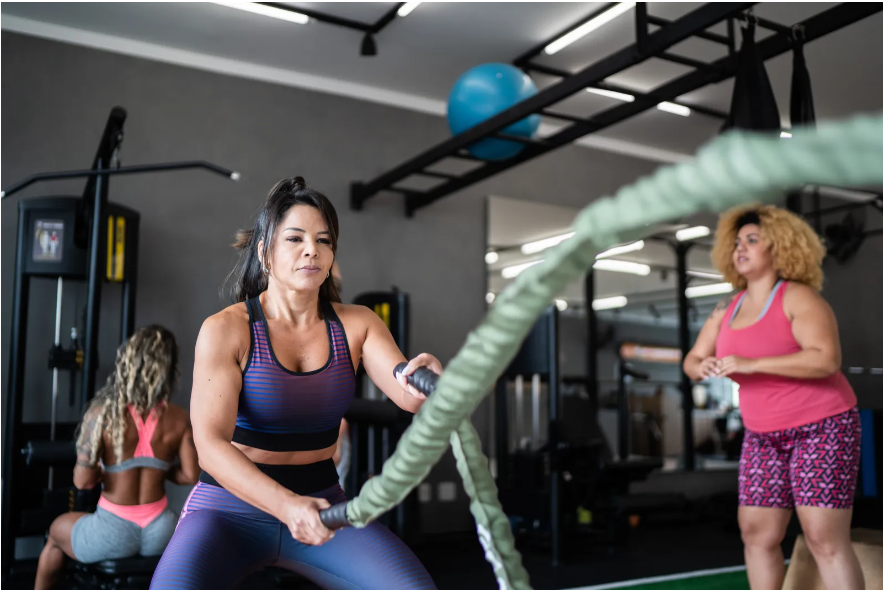
Children: 60 minutes daily; pregnant women: light to moderate intensity; seniors: focus on balance. Sedentary individuals should start with standing exercises; those with chronic illnesses should be monitored by a physician.
- Over 45 years old: Increase to 250 minutes to prevent bone loss. – Office workers: Get up and walk for 5 minutes every hour to reach the target.
- Beginners: Mix aerobic and strength training to prevent monotony.
Listen to your body; exercise is an ally, not an adversary.
V. Common Misconceptions: Don’t Let Perfectionism Become a Stumbling Block
“No time” is the biggest lie; even 10 minutes adds up. “Running without muscle training” is prone to injury; balance is key to sustainability.
- Misconception 1: Intense workouts are only effective—moderate, sustained intensity is better than short bursts.
- Misconception 2: Daily training without rest—muscle strength should recover every other day.
- Secret: Accompany with music, find a partner to run with, and the habit will form naturally.
Starting is difficult, but sticking to it is easy; once you’re immersed, you’ll feel free.
VI. Rediscover Your Body’s Rhythm Through Exercise
150 minutes a week is not a shackle, but a key to unlocking a more stable self. When the sweat stops and your heartbeat settles, you’ll find that health is never far away; it’s just a matter of every step you take.